

 The World Health Organization (WHO) has confirmed seven cases of hantavirus linked to a suspected outbreak aboard a cruise ship sailing in the Atlantic Ocean. According to the WHO, the cases include two laboratory-confirmed infections and five suspected cases as of May 4, 2026.
The outbreak has already claimed three lives, while one passenger remains critically ill and three others are experiencing mild symptoms.
In a statement sent to the media, the WHO disclosed that investigations are ongoing, including laboratory testing, epidemiological tracing, and virus sequencing to better understand the outbreak.
“Medical care and support are being provided to passengers and crew. Sequencing of the virus is also ongoing,” the organization stated.
Cruise Ship Held Off Cape Verde Coast
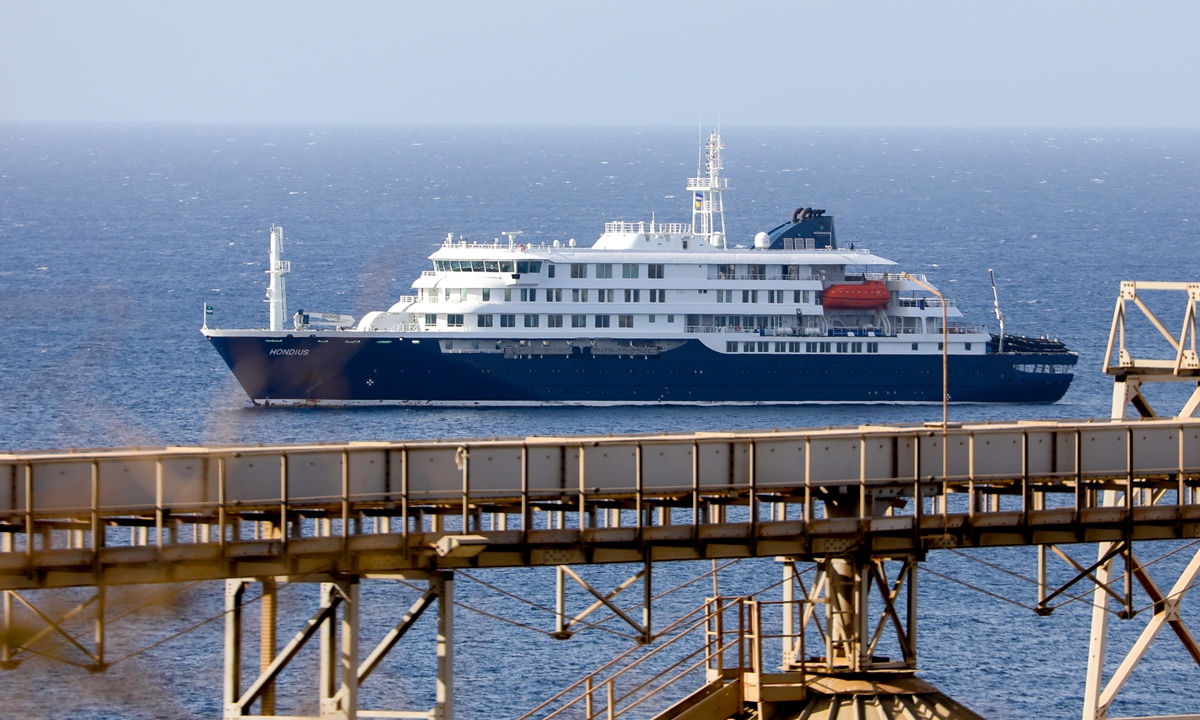
The affected vessel, MV Hondius, operated by Dutch cruise company Oceanwide Expeditions, was reportedly traveling from Ushuaia, Argentina, to Cape Verde when a severe respiratory illness outbreak was detected onboard.
The ship currently carries passengers and crew from 23 different nationalities. Around 150 people remain onboard after the deaths of a Dutch couple and a German national. Two crew members have also fallen ill.
Another confirmed case involving a British passenger required emergency evacuation and intensive medical care in Johannesburg, according to reports.
As of May 4, the vessel remains anchored off the coast of Cape Verde after local authorities refused docking permission over public health concerns.
Cape Verde’s Health Ministry stated that the ship would remain in open waters while authorities continue monitoring the situation. A medical response team, including doctors, a nurse, and a laboratory specialist, has reportedly visited the ship multiple times.
WHO Says Global Risk Remains Low
Despite the outbreak, the WHO currently assesses the risk to the global population as low.
Health experts explain that hantavirus infections are commonly associated with exposure to infected rodents, particularly through contact with their urine, droppings, or saliva. Although rare, certain strains of hantavirus have demonstrated limited human-to-human transmission in previous outbreaks.
The WHO emphasized that coordination is ongoing between member states and the ship’s operators to facilitate medical evacuations, risk assessments, and support for passengers still onboard.
Experts Raise Concerns Over Cruise Ship Conditions
Medical experts say the outbreak has attracted global attention because cruise ships create ideal conditions for disease spread due to confined spaces and close human contact.
Guangzhou-based medical expert Zhuang Shilihe explained that cruise ships can potentially aid international transmission because they move between ports and countries, often triggering quarantine measures at docking locations.
However, the expert also cautioned against panic, noting that hantavirus is not a newly emerging virus and that several countries already have established prevention and treatment protocols.
“Rodent control remains the most important strategy for preventing hantavirus infections,” the expert noted.
Understanding Hantavirus
Hantavirus is a viral disease primarily carried by rodents such as rats and field mice. Severe cases can lead to serious respiratory complications and require intensive medical monitoring.
Public health authorities continue to investigate the source of the outbreak and possible transmission chains aboard the vessel.